What getting workers on site costs today
The evidence on how Rwandan and East African contractors find, manage and pay site labour now, what it costs them, and what Buildpal's price replaces.
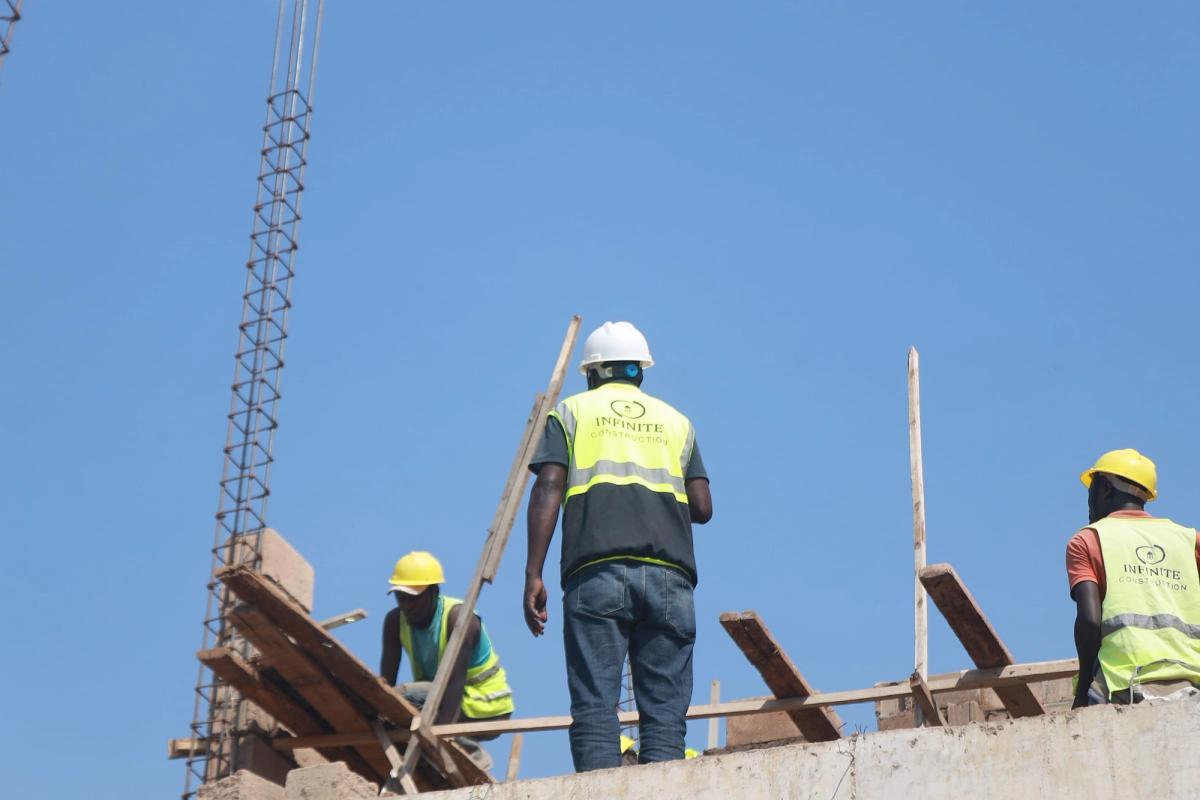
How a site gets its workers today#
Two studies describe the Rwandan practice directly: the ILO's 2018 analysis of Rwanda's building construction sector and the Rwanda Development Board's 2021 employment study of the sector. Both were written from site visits and contractor interviews in Kigali, Musanze and Rubavu. What they found:
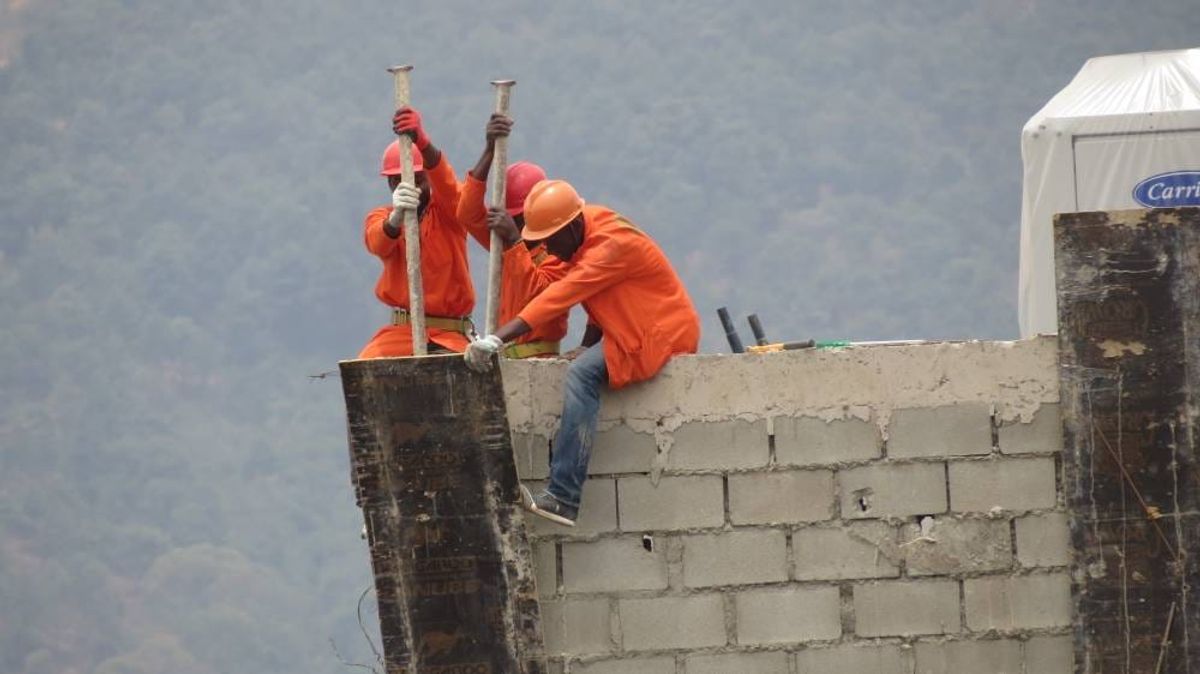
- Sourcing is by network or by roadside. The ILO found that contractors 'from large-scale to micro' source lower-skilled workers through their existing worker networks or at 'indege', a designated place in each locale where labourers line up in the morning, tools in hand, and wait for a truck to offer a day's work. The RDB study found the same: low-skilled workers 'had been recruited at gathering sites for informal workers or had offered their labour directly at the building site'.
- Nobody has a contract. Of the contractors the ILO interviewed, not one casual had a formal contract, and all but twelve of more than 1,000 masons were informal. Informality in construction was 98% in 2017 and 98.5% in 2018, the second-highest of twenty non-farm sectors. The 2025 Labour Force Survey from the National Institute of Statistics of Rwanda still puts it above 90%.
- Engagements are short by design. Most workers are employed for less than 60 days, according to the RDB. Large contractors cut contracts after three months or rotate workers to another site so that no written contract or social-security obligation arises; the ILO calls this rotation the source of 'the contract instability which is one of the principal worker concerns'.
- Skills are taken on trust. Contractors do not invest in training below engineer level because a trained worker leaves: 'if you train them, you lose them', as the ILO study puts it. Formal certificates carry little weight in informal hiring; in an ILO study of Nairobi, experience and reputation were the hiring criteria and a trade-test certificate was 'not considered important'. Companies on large projects pay more for foreign skilled labour because they have 'little confidence in the skills of domestically educated' staff, the RDB found.
- Pay is cash, weekly, and often late. Casuals and masons are paid weekly, some daily in cash. Cash-in-hand 'renders them more vulnerable to being paid less than agreed', the RDB notes. Workers ranked regular payment above a 10% pay rise and above a six-month contract. In Nairobi, 76% of informal construction workers were paid daily, 17% weekly, and the mode of payment was '100 per cent cash'.
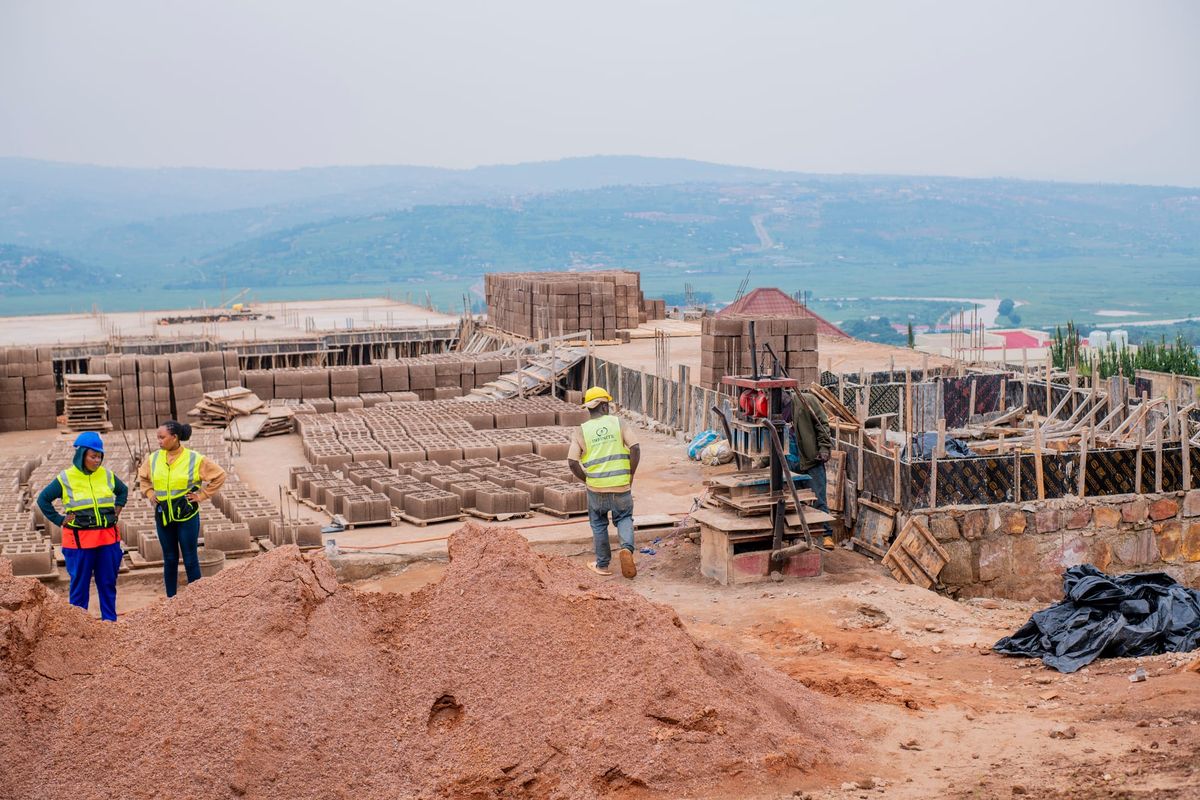
What it costs the contractor#
The lines below are the ones the evidence lets us price. The site is a typical one: 28 workers, RWF 12,000 a day, 15 paid days, RWF 5.0M of wages a month. Percentages are of the monthly wage bill. Where a Rwandan figure does not exist, we say whose figure we used and why it transfers.
| Cost line | What the evidence says | Our estimate for the site | Basis |
|---|---|---|---|
| Attendance that was not worked | Time theft and 'buddy punching' cost 1.5% to 5% of gross payroll in construction; the Nucleus Research figure for buddy punching alone is 2.2%. Paper attendance kept by the foreman is the norm in Kigali (ILO). | 2% to 4%: RWF 100k to 200k | US industry figures: a paper register with no photo or card check is at least as exposed |
| Pay-day and payroll time | Factories moving from cash to digital wages saved 53% of admin and finance staff time (BSR) and 25 minutes of production per worker per pay run (Better Than Cash Alliance). Field foremen spend 5 to 8 hours a week on paperwork, 30 to 45 minutes a day on attendance and hours tallies (Rhumbix, SmartBarrel). | 2% to 3%: RWF 100k to 150k | Four cash pay runs a month; a supervisor at RWF 300k a month; 28 workers × 4 × 25 minutes of stopped work |
| Re-mobilisation | Engagements under 60 days and three-month rotation (ILO, RDB) mean a crew is partly rebuilt every quarter. Each hire costs a foreman half a day to a day, a slow first day, and the chance of the wrong skill. Staffing agencies, which carry this work in formal markets, charge 25% to 75% over wages. | 1% to 2%: RWF 50k to 100k | About four hires a month at RWF 15k to 25k each, our assumption |
| Cash handling | The Better Than Cash Alliance puts the cost of cash at up to 6.5% of salary costs in estate settings. Rwanda's eKash now moves any amount between banks and wallets for RWF 20 (National Bank of Rwanda); MTN's own send fee is RWF 250 up to RWF 150,000. | 0.5% to 1%: RWF 25k to 50k | Bank trips, float, shortfalls, and theft risk; the digital alternative costs under RWF 3,000 a month for the whole crew |
| Late-pay friction | Contractors 'felt pressure to pay their workers as soon as actually possible', worried that workers 'would riot on site'. Nairobi workers leave for other sites when payment is delayed. The President called for accountability for employers who do not pay in August 2026; the Ministry of Public Service and Labour inspectors visited 2,290 workplaces in the first half of 2026 and sanctioned 71, with fines of RWF 100k to 500k. | Not priced | A risk line: walk-offs, stoppages, fines, and reputation |
| Rework | On Ugandan public projects, rework averaged 4.5% of the budget and 8.4% of the schedule, attributed to design omissions, unacceptable workmanship and inadequate supervision. Ugandan craftsmen were productive for about 40% of available time; lack of skills and incompetent supervisors led the causes. | Not in the fee comparison | Rework on this site's contract value would be about RWF 1.5M a month; the share that verified skills and a clean attendance record would remove is unknown |
| Injuries | 41% of surveyed Kigali construction workers had experienced an occupational injury; a Kampala study in BMC Public Health (2019) found 32.4% injured in a year and 72.6% without a contract. | Not priced | Lost days and liability; the record of who was on site is the first thing an insurer or inspector asks for |
The priced lines add to 5.5% to 10% of wages, RWF 275k to 500k a month on this site, before rework, disputes, and injuries. Buildpal's service fee on the same site sits inside that range. The contractor is not being asked to add a cost. They are being asked to swap an invisible one for a visible one that also does the sourcing, the verification, the record, and the payout.
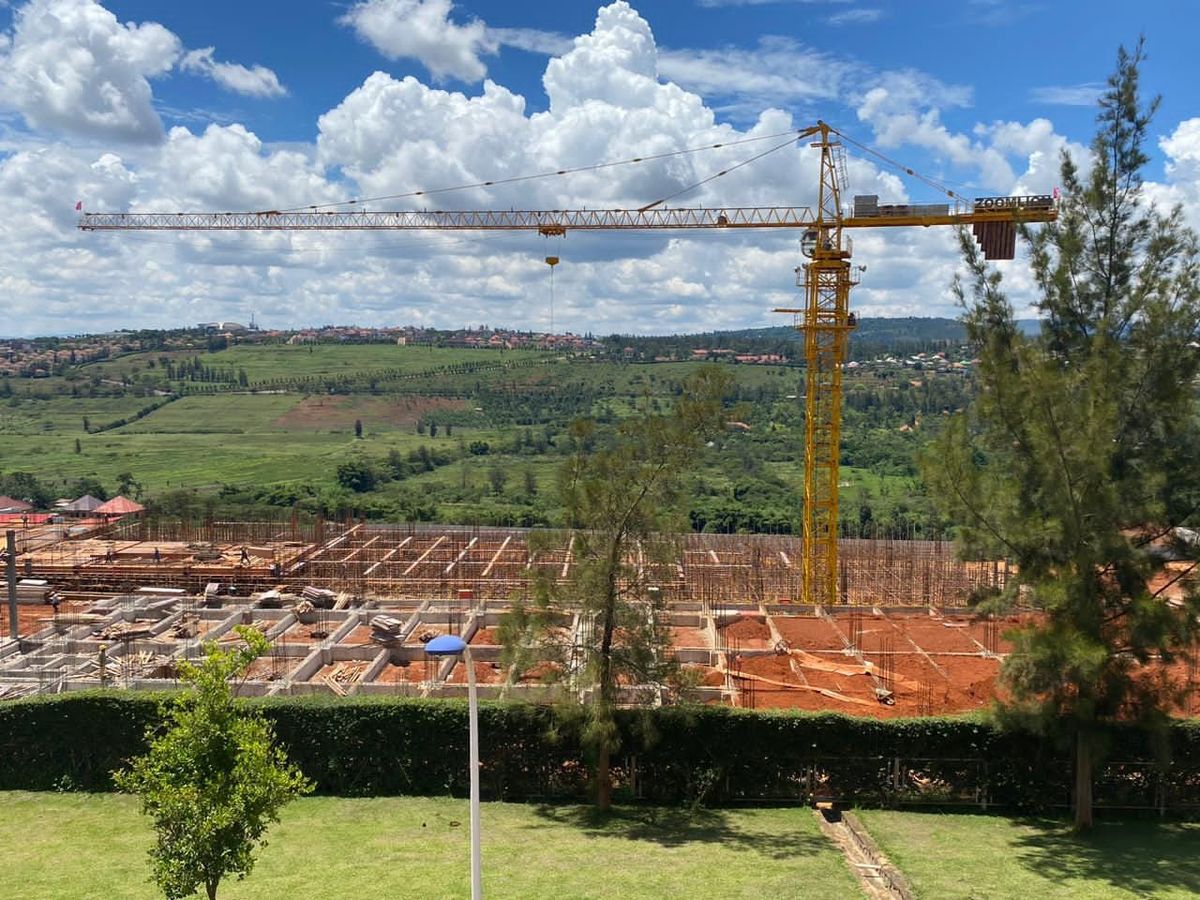
What it costs the worker#
- Waiting. The roadside station 'indege' is a queue with no guarantee; Nairobi workers 'hover around different construction sites in anticipation of getting a job'. A day spent waiting is a day unpaid, and rainy days are sent home unpaid.
- Late and short pay. Delayed pay of a week or two means buying food on credit at the neighbourhood shop and losing that credit if it happens twice. Cash pay is easy to shave.
- No record. Nothing proves what a worker has done, so experience cannot be priced, a lender cannot see income, and a dispute is one person's word against another's. Only 22% of Rwandan adults are banked and 24% have formal credit, while 86% use mobile money (FinScope Rwanda 2024).
- No ladder. Only one casual in six sees construction as a career; half are saving to leave. A twelve-month mason course costs about RWF 200,000, around 35% of a casual's yearly income, and the three months of lost earnings to attend it are the real barrier, the ILO found.
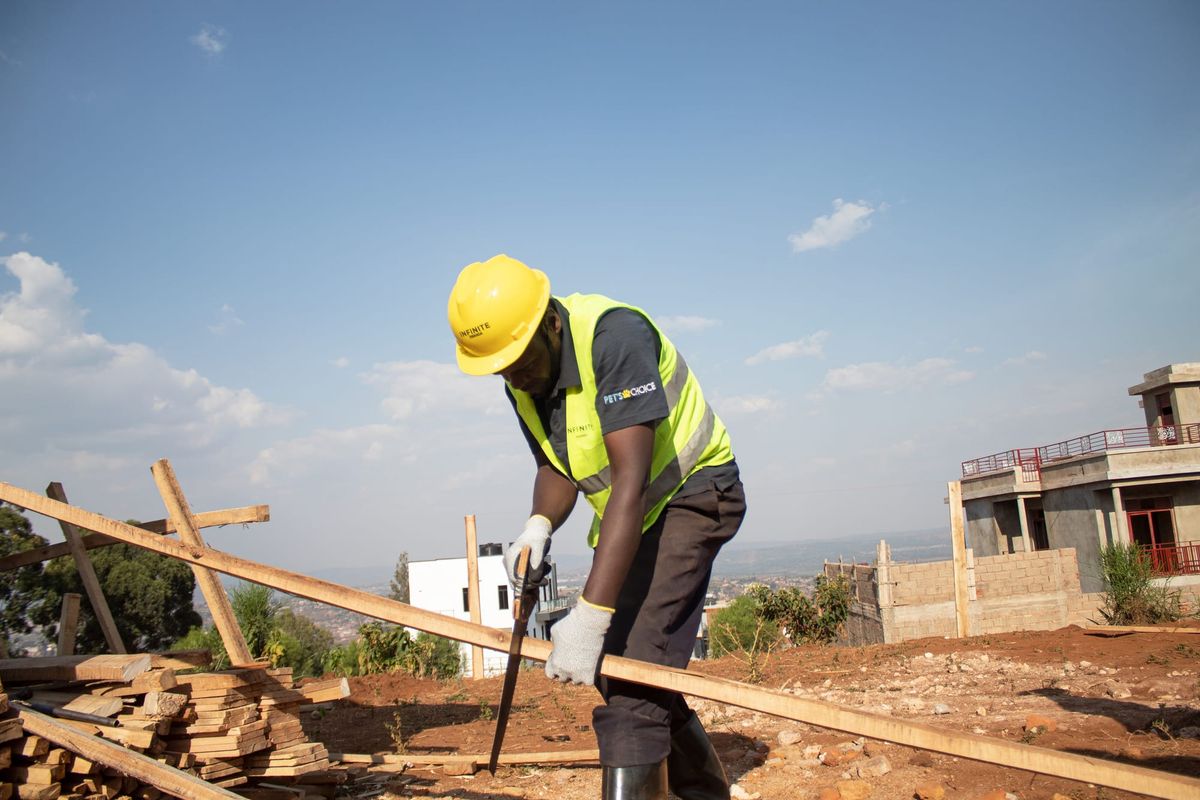
What Buildpal changes, line by line#
| Today | With Buildpal | Evidence it matters |
|---|---|---|
| Find workers through the foreman's network or at the roadside 'indege' | Request a crew by trade, count and date; verified workers within reach are offered the work; the contractor sees who accepted before the day starts | Sourcing by network and gathering site (ILO, RDB); experience and reputation are the only hiring criteria, with no way to check either (ILO, Nairobi) |
| Take skills on trust | Verified identity, trade and tier; a worker's record of days, sites and ratings travels with them | Little confidence in domestic skills (RDB); contractors will not train because workers leave (ILO); semi-skilled hired as skilled in Kenya |
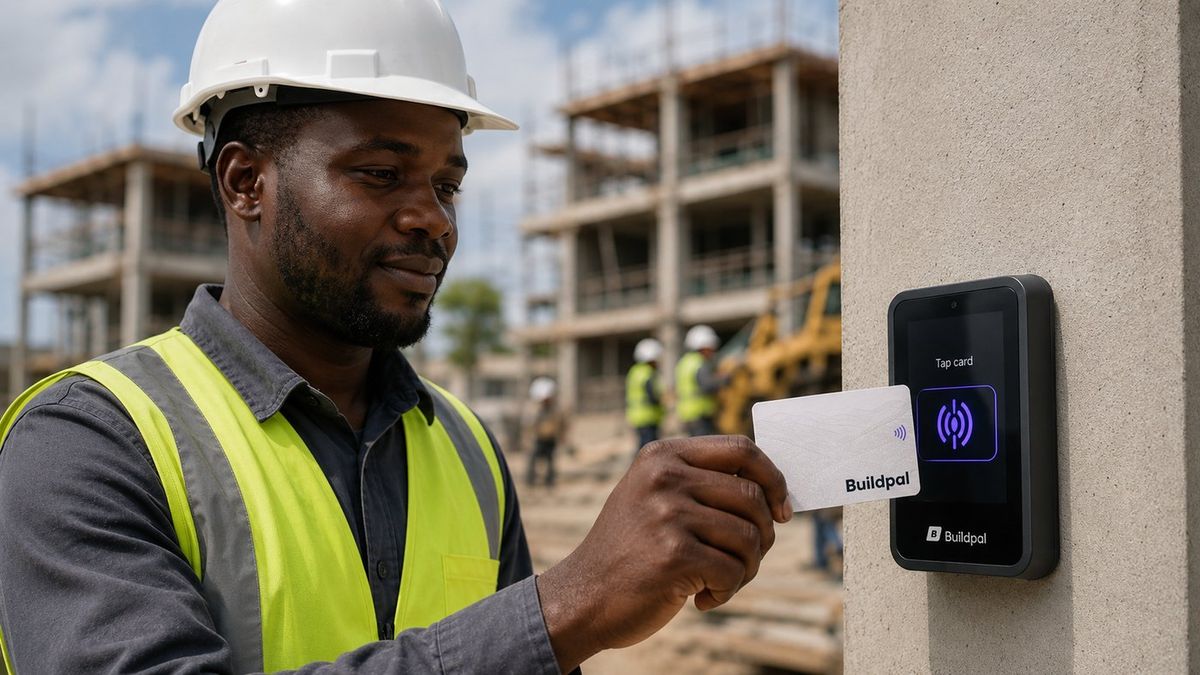
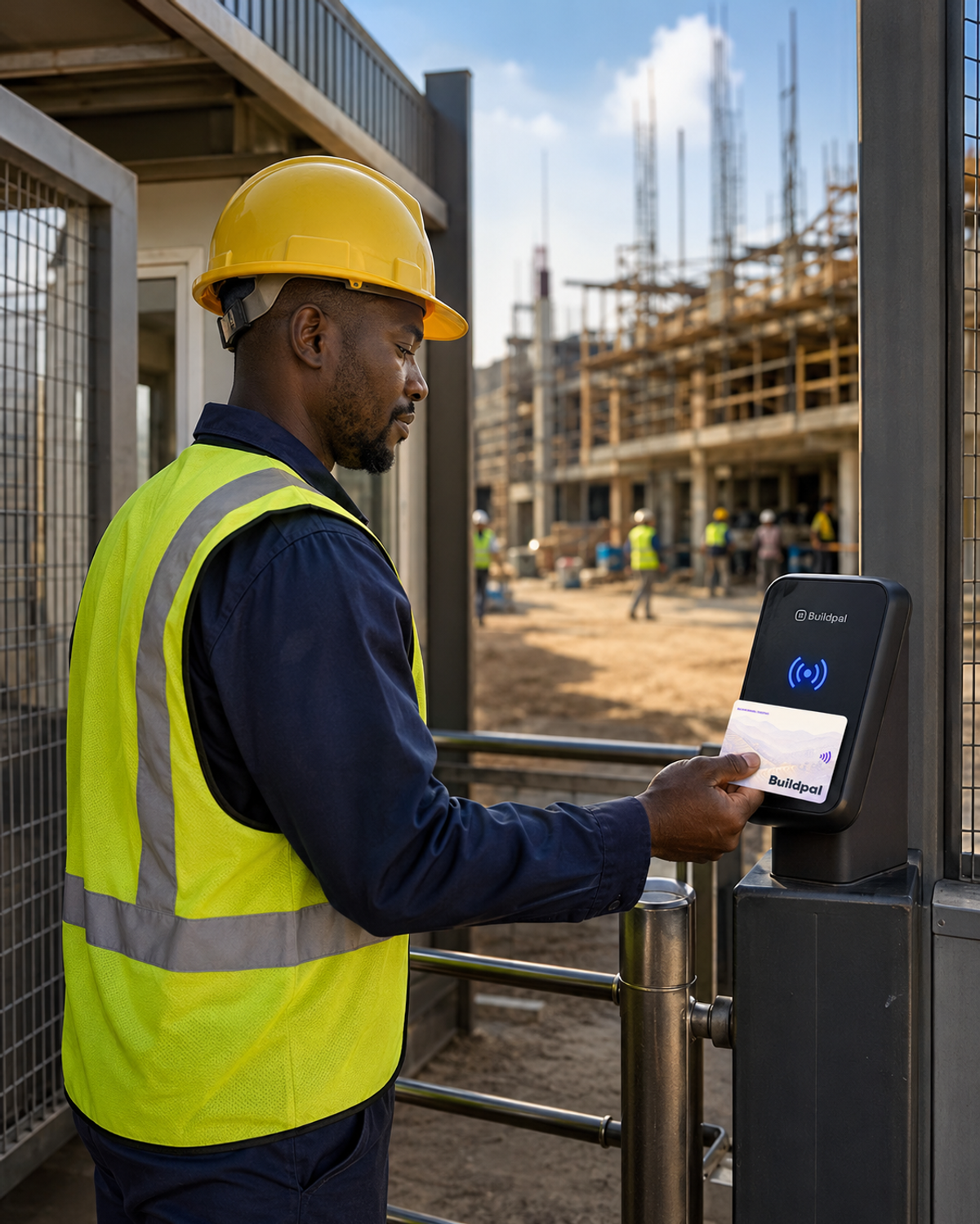
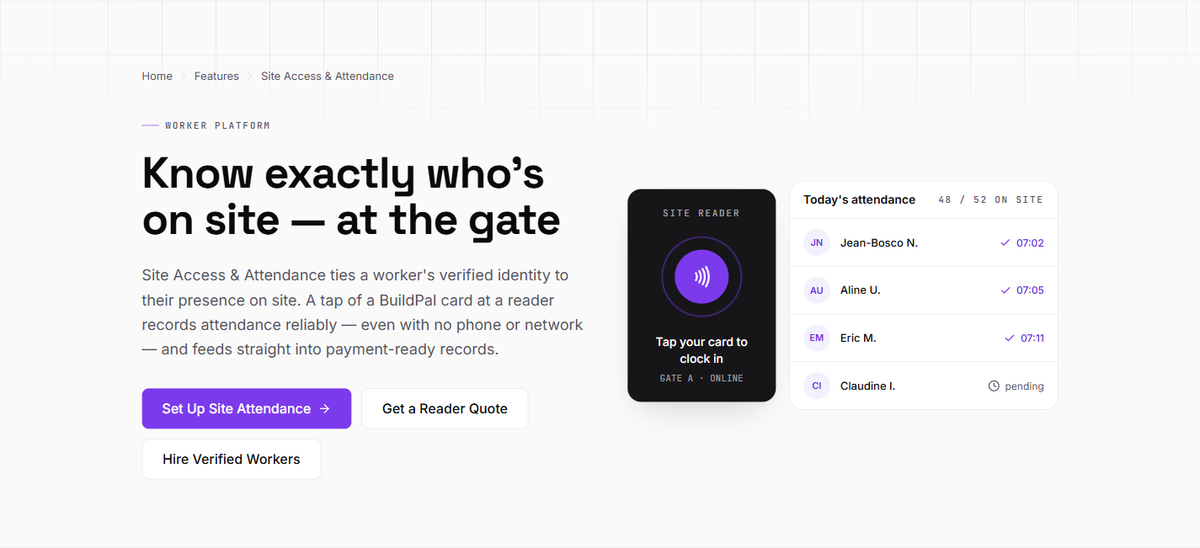
| Paper attendance kept by the foreman or storekeeper | Check in on the Field App or tap the Site Card; the day's roster is the payroll | 1.5% to 5% of payroll lost to unworked time; 40% productive time in Uganda |
| Cash, weekly, when the client pays | Approved days are paid to the worker's mobile money on the agreed day; the contractor funds the wallet once | Regular pay ranks above a pay rise for workers (ILO); riot and walk-off risk when late; eKash transfers at RWF 20 |
| Rebuild the crew every quarter | Retain by inviting the same workers back; no legal event on the platform side because the record is of days worked, not of employment | Engagements under 60 days and rotation (ILO, RDB) |
| Disputes settled by shouting | Every day, approval and payment is logged; disputes open against the record | 814 labour disputes mediated in six months of 2026 (Ministry of Public Service and Labour) |
Buildpal does not change a contractor's legal obligations. What it gives them is a record, which is the thing an inspector, an insurer, a bank or a public tender asks for and which nobody on an informal site has today.
The price in context#
- Labour is 25% to 40% of a building's cost in the region (Uganda 30% to 40%; Kenya 25%, up from 20% two years earlier, according to the Institute of Quantity Surveyors of Kenya). In Rwanda, materials, taxes and guarantees take 75% of a formal contract, so contractors compete on the 25% that is labour and profit, and labour is 'the first area subject to cost review', the ILO found. A tool priced on wages is priced on the one line they watch.
- Formalising a worker costs 42% more per mason (taxes, medical cover and social security add almost 30% to labour cost, according to the ILO). Buildpal's service fee is a different order of magnitude, and it buys the operational benefit without the employment relationship.
- Comparable services charge more. Staffing agencies mark wages up 25% to 75%. Lynk, the Nairobi platform for fundis and domestic workers, takes 10%. Studies of Nairobi and Nepal found intermediaries paid commissions on the wages of the labour they supply.
- Moving the money is now almost free. With eKash capped at RWF 20 per transfer, paying a 28-worker crew four times a month costs about RWF 2,240 in fees; MTN's cash-out fee is RWF 300 on amounts up to RWF 100,000. The cost of digital pay is no longer an objection.
- Skilled labour is scarce and getting scarcer. The Rwanda Development Board counted 35 mismatched construction occupations in 2022 and lists tradesmen and artisans as in demand across construction, mining, manufacturing, transport and energy in 2024. Kenya's construction labour costs rose 4.4% in one quarter of 2026 on the same shortage.
What we still have to measure ourselves#
Three numbers matter here and do not exist in the literature for Rwanda. We will collect them in interviews with contractors and workers, and then on the platform:
- The no-show rate: how many booked workers do not arrive on a given morning, and what a missing helper costs the masons who wait.
- Whether foremen or intermediaries in Kigali take a cut of a worker's daily pay, and how much. Studies from Nairobi and Nepal say yes; the Rwandan studies do not say.
- Days lost to pay disputes and stoppages per site per month.

Product, field operations and engineering at Buildpal, writing about what we learn building a verified workforce for construction in Rwanda.
Comments (0)
No comments yet. Start the conversation.